



The Rise of Flavor-First Spirits: Why “Delicious Over Everything” Is Leading the Premiumization Wave
As shelves get louder and consumers get sharper, today’s winners are built from the glass up, designed to taste undeniably good, first and foremost
In a consumer’s market, product appeal reigns supreme. Spirits today are competing long before they ever reach the shelf—fighting for distributor attention, bar placements, and buyer confidence in an environment saturated with choice. Once on shelf, the challenge intensifies. Packaging, storytelling, price point and perceived quality, all compete for a consumer’s fleeting attention. Yet among these variables, one factor is increasingly decisive: how delicious the liquid actually is.
For years, premiumization in spirits leaned heavily on familiar markers such as heritage, local sourcing, traditional production methods, and extended aging. While those signals still matter, they are no longer enough on their own. Modern consumers are far more confident and far less deferential. They are willing to pay more, but only when the price feels justified in the glass. An expensive bottle that delivers a memorable drinking experience will beat a cheaper, mediocre option every time. This shift in mindset is reshaping how premium spirits are made, marketed, and merchandised.
Premium Is No Longer About Posturing.
Across whiskey, gin, and vodka, a clear pattern has emerged: brands winning today are those that prioritize flavor clarity, texture, and approachability without sacrificing complexity. Consumers want spirits that feel rewarding immediately, not ones that require education, justification, or acquired taste. Smoothness, balance, and layered profiles have become shorthand for quality, particularly among premium buyers who drink neat, order spirit-forward cocktails, or expect consistency across occasions.
This doesn’t mean craftsmanship has been abandoned. It simply means craftsmanship has been redirected. Instead of celebrating the process for its own sake, the most relevant producers are using technique as a means to an end: delivering a specific, intentional flavor experience. The result is a new class of flavor-first spirits that feel both premium and contemporary, designed for how people actually drink today.
Filling the Flavor Gaps the Market Ignored
Nowhere is this more apparent than in the United States, where more than 2,500 distilleries have launched over the past 15 years, many telling variations of the same story. Local grain, local water, traditional aging, craft pride. While these narratives helped fuel the craft boom, they also created a sea of sameness, especially when it came to flavor outcomes.
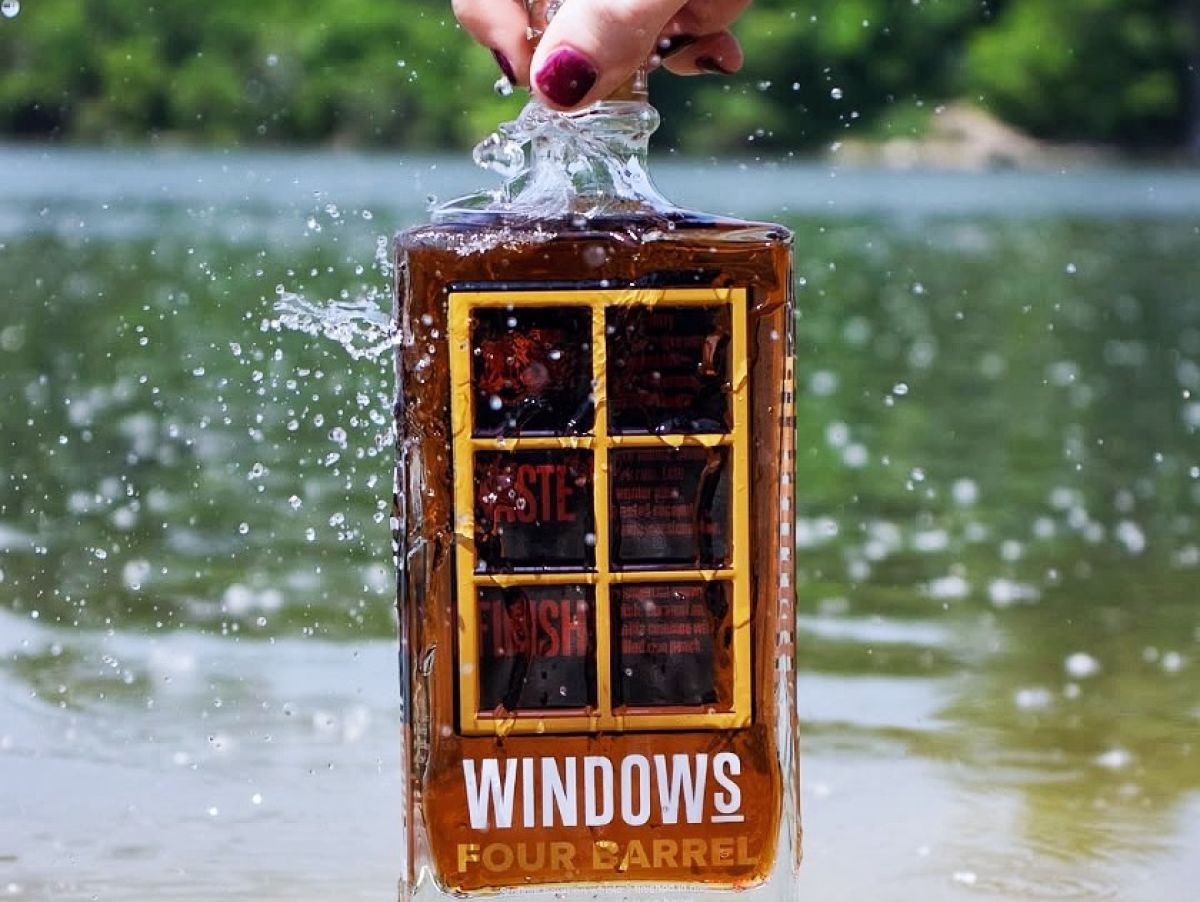
A new generation of producers is challenging that model by asking a different question: What flavors are missing from the shelf? Windows Distillery is one such example, built explicitly to occupy the white space left behind by conventional craft logic. Rather than anchoring its identity to a single still or location, the distillery operates with a flavor-first philosophy it calls “Delicious Over Everything.”
At the core of this approach is Spirit Bending™—a method that starts with a target flavor profile and works backward. By sourcing distillate from legacy producers around the world and applying innovative finishing, aging, blending, and slow-proofing techniques, Windows shapes spirits for balance, texture, and depth rather than tradition alone.
Why Smoothness and Layering Matter More Than Ever
One of the clearest signals of premium perception today is mouthfeel. Consumers may not always articulate it, but they recognize it instantly. Spirits that drink hot, thin, or disjointed struggle to justify higher price points, while those that feel integrated and polished build loyalty quickly.
Windows Distillery’s slow-proofing process, where proof is integrated within the cask over months rather than diluting post-aging, speaks directly to this expectation. Across its bourbon, rye, gin, and vodka portfolios, the emphasis is on smoothness that doesn’t flatten flavor, but rather binds it together. This balance is what allows the portfolio to appeal simultaneously to new drinkers and seasoned enthusiasts, a crucial advantage in today’s premium landscape.
Flavor as a Commercial Advantage
Flavor-first thinking isn’t just a creative stance—it’s a commercial one. Products designed around underserved profiles create instant differentiation for retailers and bars. A sherry-, port-, and maple-finished bourbon offers something distinct without alienating traditional whiskey drinkers. An Amburana-layered rye sparks curiosity and conversation while fitting seamlessly into high-end cocktail programs. Citrus-forward gins cater to brunch menus, G&Ts, and consumers fatigued by aggressively juniper-led styles. This intentional versatility is part of why flavor-led brands are seeing strong repeat purchases. When a spirit is enjoyable across neat pours, classic cocktails, and modern serves, it earns more occasions and more justification for its price.
Packaging Still Matters, But It Can’t Carry the Liquid Alone
In crowded retail environments, high-impact packaging remains essential. Bottles must stop traffic, signal premium cues, and hold their own on back bars. But packaging today functions more as an invitation than a promise. If the liquid doesn’t deliver, consumers rarely return. The brands riding the current premiumization wave understand this balance. Design draws the first look; flavor secures the second purchase. In this context, premiumization becomes less about aspiration and more about satisfaction. Less about signaling status and more about delivering pleasure.
A Premium Future Built on Taste
As global markets remain pressured and buyers grow more selective, flavor-first spirits are emerging as one of the most resilient segments in the category. They speak directly to how consumers evaluate value today: not by what a bottle claims to be, but by how it performs when poured. Brands that prioritize deliciousness without sacrificing quality, transparency, or credibility are redefining what premium means in real terms. They aren’t asking consumers to believe; they’re asking them to taste. And in a market where justification matters more than ever, that may be the most powerful strategy of all.
Header image sourced from Windows Distillery (Instagram).