




Rosé is One of Fastest Growing Wine Categories
Nielson Alcohol Policies report, rosé wines continue to be hot sellers.
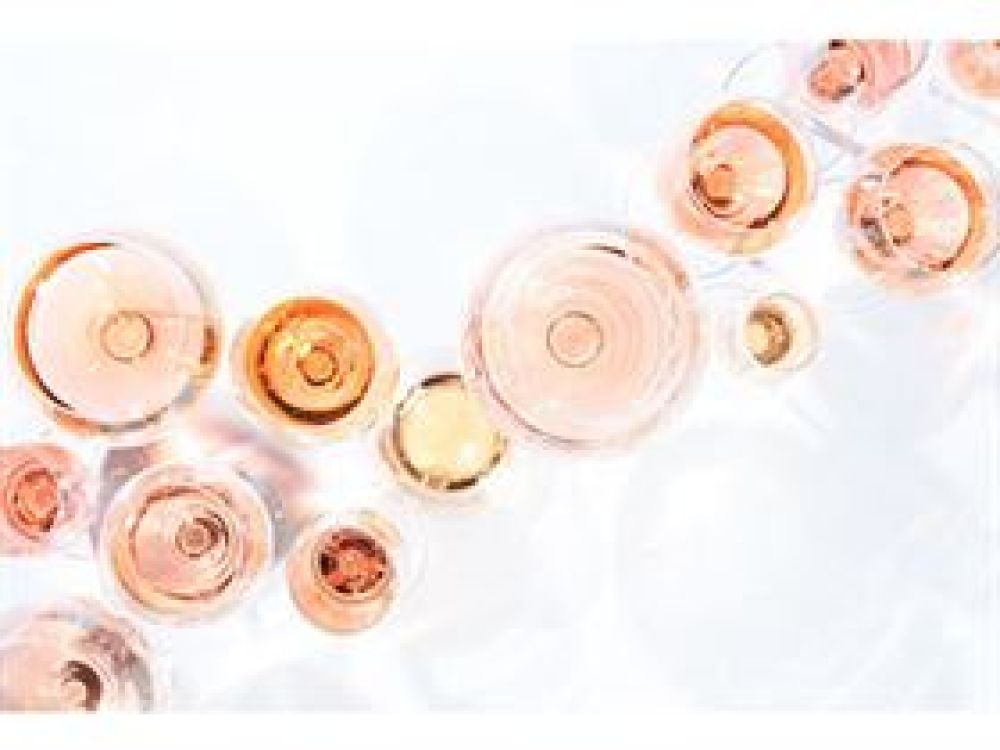
In the most recent Nielson Alcohol Policies report, rosé wines continue to be hot sellers. These lovely wines can be a quite sweet, off-dry or even very crisp and totally dry. Some are “still” table wines, others are sparklers. They can be made from red grapes, pressed and handled in the cellar as though the fruit was white. Some are made from fresh fruits and still, others are blended for several varieties, both red and white. Some are elegant; many are just fun to enjoy as you walk through crunchy fall leaves on a hike through the woods.
When red grapes are picked with the intention of producing a rosé, they are usually harvested a little earlier than if the fruit was destined for a red wine. The acids are somewhat higher and the sugar levels a little lower. One reason some of our regional Cabernet Francs are made into a rosé style is because, when Mother Nature offers a cool, shorter than normal growing season, the fruit may not mature to yield a full-bodied red, but will produce an exceptional Cabernet Rosé.
Some grapes, like our traditional Catawbas, will yield a naturally sweet, pale pink finished wines. These labrusca or native family grapes offer intense flavors and popular fruity-grapy aromas, distinct from the nose of a Cabernet or French-American hybrid blend or the dry finish of a vinifera red.
Strawberries, cranberries, raspberries and even rhubarb fruits are made into pink wines by many state vintners. These fresh fruit wines are designed to be consumed young, usually within several months of their release. They offer attractive coloration in a wine glass, for sure, but also the aromas of their native fruits are great with light warm weather meals or alone, as an early evening accompaniment to a fall Lake Erie sunset.
A few of our blush wines are blended. Many Ohio winemakers use Vidal Blanc, with its aromatic nose and slightly sweet finish as the base wine. Chambourcin, Chancellor, DeChaunac and even an inky black juice from a variety called Colobel may be added to achieve the color the cellarmaster is looking to achieve.
Certainly, from a non-Ohio perspective, the ever-present White Zinfandel is a favorite of many. This is a style, developed in the seventies when California’s Lodi region growers overplanted the historic and iconic red Zinfandel. Faced with consumers more accustomed to sweet soft drinks than to Bordeaux style reds, these growers provided Berringer and Sutter Home with the base fruit for their incredibly popular entry-level wines and four decades of successful cash flow.
In the sparkling category, a New Mexico pink bubbly by Gruet has become a national sensation. At less than $15 it is both fun to drink and truly lovely. I first tasted it a couple of years ago and while it hit the market with a roar, its popularity has only grown: from a retail seller's notes: “beautiful garnet color, rich fruit flavors with floral and berry aromas and a zesty acidity.” I typically do not talk about other states’ wines, but this is a fun one. If you want to remain loyal to Ohio sparkling wines, you might try a Raspberry Riesling Champagne (less that $14) from our friends at Firelands Winery in Sandusky. It is mildly sweet and crisp with a delightful raspberry finish.
Read more at source: Star Beacon