


Competition for Brand Trademarks in UK Spirits Market Starting to Heat Up
New craft distilleries are continuing to pop up all over the UK, and that has led to record-setting activity in terms of new trademarks registered for spirits and liqueurs.
Summary:
UK companies are registering trademarks for a new spirit and liqueur brands at a record pace. Much of that activity involves new artisanal gins, especially new flavored gins. Consumers are ready and eager to embrace new artisanal brands, and both craft spirits brands and large spirits companies with sub-brands are more than happy to oblige. But all that activity could come with the risk of trademark infringements and the rise of copycat brands.
******
New craft distilleries are continuing to pop up all over the UK, and that has led to record-setting activity in terms of new trademarks registered for spirits and liqueurs. In 2017, the number of trademarks registered was 2,210, up from 1,570 in 2016, which in turn was up from 1,199 in 2013.
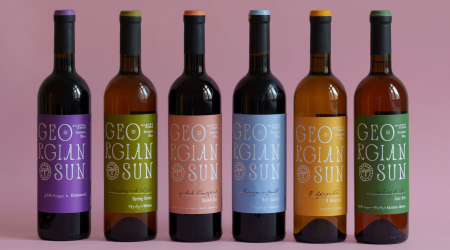
These days, it seems like UK consumers can’t get enough of these new craft spirits, especially when they also come with very compelling brand packaging. Artisanal gins with unique colors and flavors continue to hit the market at a rapid pace.
At the same time, large spirits companies have been launching multiple sub-brands and specialty brands as they rush to cash in on the demand for craft spirits and liqueurs. Borrowing a page from the playbook of the smaller craft brands, they have sought to create their own funky branding and unusual trademarks. Gordon’s, for example, launched a pink gin in summer 2017, and Tanqueray recently launched a new gin made with blood oranges.
However, could all of this innovation lead to problems with “copycat” brands and possible trademark infringement cases? Some UK lawyers think so, and already a few high-profile “brand clashes” have occurred. It is unlikely, however, that any legal squabbles will do much to slow the momentum of the artisanal gin market, or to decrease consumer demand for novelty colors and unusual flavors.