





Japan one-ups Scotch with whisky, coveted around the world
These days, Japanese whisky is winning accolades from around the world, often beating the products from Scotland its makers set out to emulate.
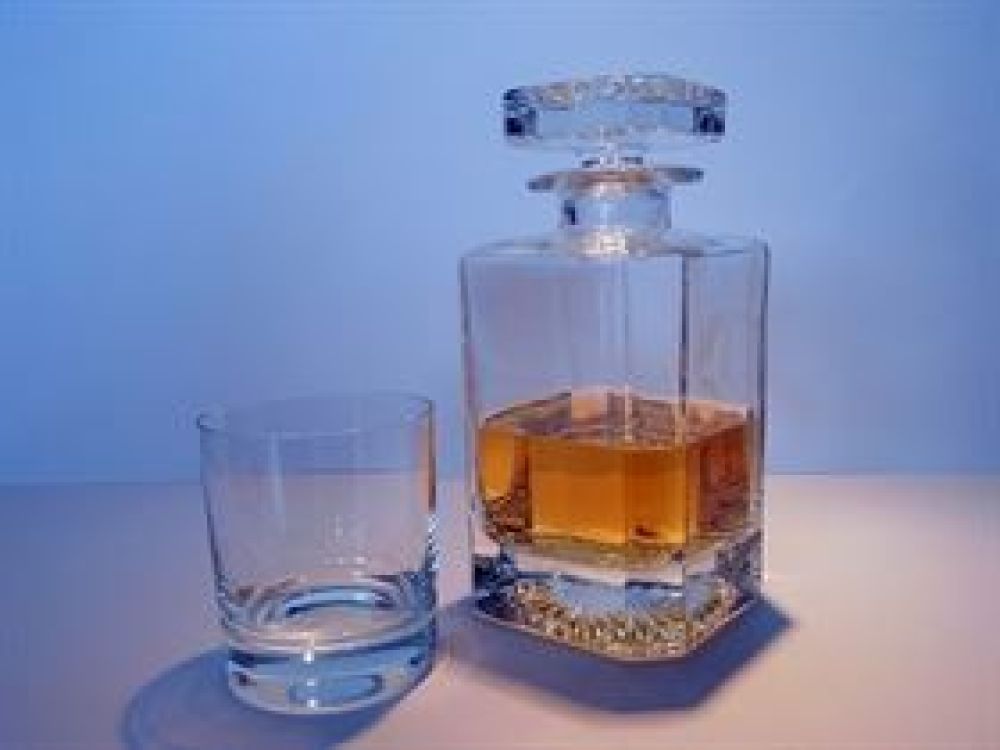
A dim storage room surrounded by bamboo groves and pastoral hills is filled wall-to-wall with 3,000 wooden barrels. Here sleeps, for years, sometimes decades, prized Japanese whisky.
The Suntory distillery in Yamazaki, near the ancient capital of Kyoto, is where the first drop of made-in-Japan malt whisky was distilled in 1924.
In 2003, the Yamazaki 12 Years single malt whisky became the first Japanese whisky to win the gold medal at the International Spirits Challenge, the most authoritative liquor competition in the world. Last year, Hibiki, another Suntory label, won the World's Best Blended Whisky prize at the World Whiskies Awards, for the fourth time. A bottle of Yamazaki Sherry Cask, aged 25 years, fetches thousands of dollars each.
"They have a lot more earthiness to them. They are much more a product of their environment," Wes Barbee, a 23-year-old consultant from Houston, gushed as he joined dozens of Japanese and foreign tourists visiting the Yamazaki distillery and lining up for a taste.
"American and Canadian whisky has nothing on this. It's mass production. This is very intimate. The flavors are carefully chosen," he said.
Japan Inc. abounds with stories of manufacturers like automaker Toyota Motor Corp. and musical instrument manufacturer Yamaha Corp. that at first imitated Western pioneers in their industries but ended up matching if not outdoing them.
Suntory founder Shinjiro Torii was determined to introduce Scotch to Japan. Overcoming early failures, he eventually adapted his methods to distill a whisky palatable to Japanese.
Experts believe that aside from Japan's clean and tasty ground water, its four distinct seasons help to deepen whisky flavors during years of aging.
Scotland's many distilleries make blending whisky flavors easy. Suntory had to develop its own array of flavors using various temperatures and combinations of yeasts for fermentation, as well as more complex methods of distilling whisky.
After fermentation, the beige liquid gets heated and distilled in "pot stills," huge metallic containers of varying shapes that can quicken or delay the distilling process, yielding nuances of flavors.
The result is a colorless liquid that smells almost like antiseptic that is stored in barrels, or casks, in a cavernous warehouse designed for aging whiskies. No nails are used in the casks, whose strips of old wood are bound by tightened metal rings. Aging gives whisky its color and personality — what whisky lovers say distinguishes it from wine or beer.
The casks, used over and over again, include old wine and bourbon barrels. Some are from Europe and the U.S. and others are made of Japanese oak. Suntory's three distilleries in Japan house a million casks.
Read more at source: Idaho Statesman