






New Taxes Could Trigger a Japanese Craft Beer Renaissance
Unifying rates for all beer makers is good news for craft brewers.
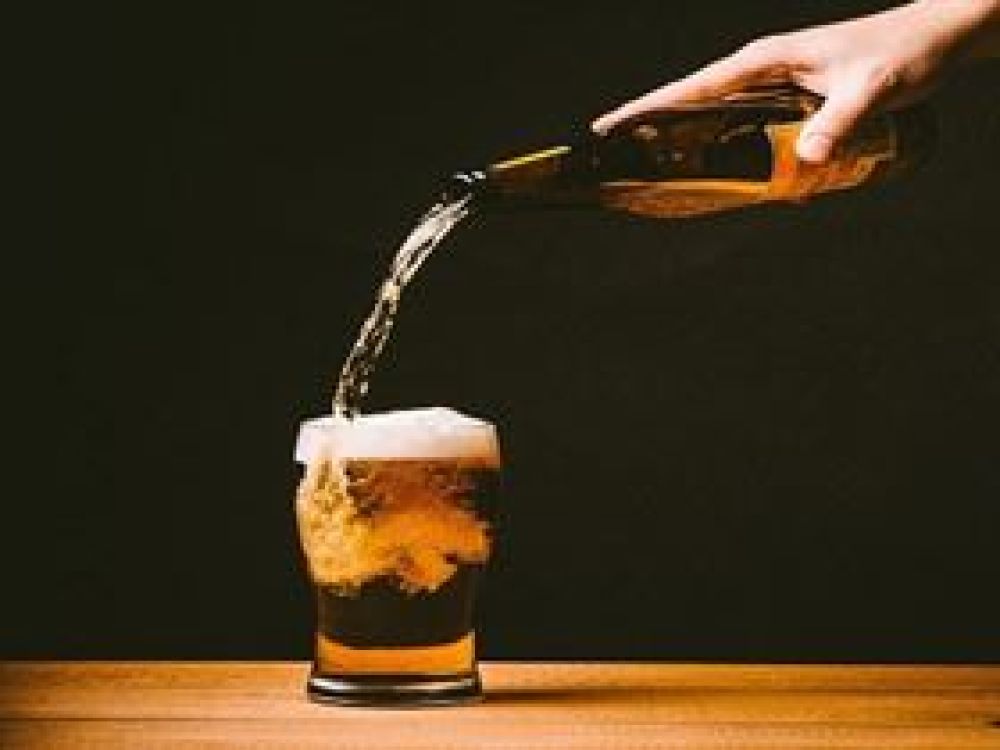
In Japan, a nation of epicures, the local beers aren’t always palate pleasers. Connoisseurs blame the taxman. The Finance Ministry imposes higher taxes on drinks with greater malt content. So the biggest breweries, including Asahi Group Holdings Ltd. and Kirin Holdings Co., sell knockoffs, called happoshu (meaning bubbly spirits), or third beer, that may use peas, corn, or soybeans to reduce the amount of flavorful malt. “A lot of time, energy, and money has been wasted coming up with some really bad drinks—and it’s because of the tax system,” says Tatsuo Aoki, owner of the Tokyo bar Popeye.
Craft brewers, which account for about 2 percent of beer sales in Japan, say the tax incentives have given bigger companies an advantage and allowed the substitutes to dominate the market, because they cost a lot less. Meanwhile, some expensive-to-make special brews with exotic ingredients must be advertised as the cheap stuff because their recipes don’t meet official definitions of beer—which regulations define, in part, as having at least 67 percent malt content. “I view the entire beer-tax regime in Japan as a colossal bad joke,” says Bryan Baird, a co-founder of Baird Brewing Co., one of 265 craft brewers in Japan.
The Finance Ministry, in an effort to boost the competitiveness of Japanese beers in the international market, will change the tax rates for beer and the substitutes starting in 2020, continuing through 2026. In 2018 it will expand the list of ingredients allowed inside the can. Leveling the taxes and removing the happoshu stigma could mean fast growth for the nation’s craft brewers.
Changing the code to encourage more craft brewing could also help revitalize regional economies, according to the ministry’s tax bureau, something Prime Minister Shinzo Abe promotes as a key part of his development program. Domestic shipments of all beer have declined for 12 straight years, according to the Brewers Association of Japan. Revenue is projected to continue falling through 2021, according to Tokyo-based market researcher Fuji Keizai Co.
The current tax regime is a relic of the 19th century, when beer was a luxury imbibed primarily by foreigners. It was seen as a way to raise money without putting a tax burden on Japanese consumers.
Read more at source: Bloomberg